Analog Tape Calibration & the CLASP System
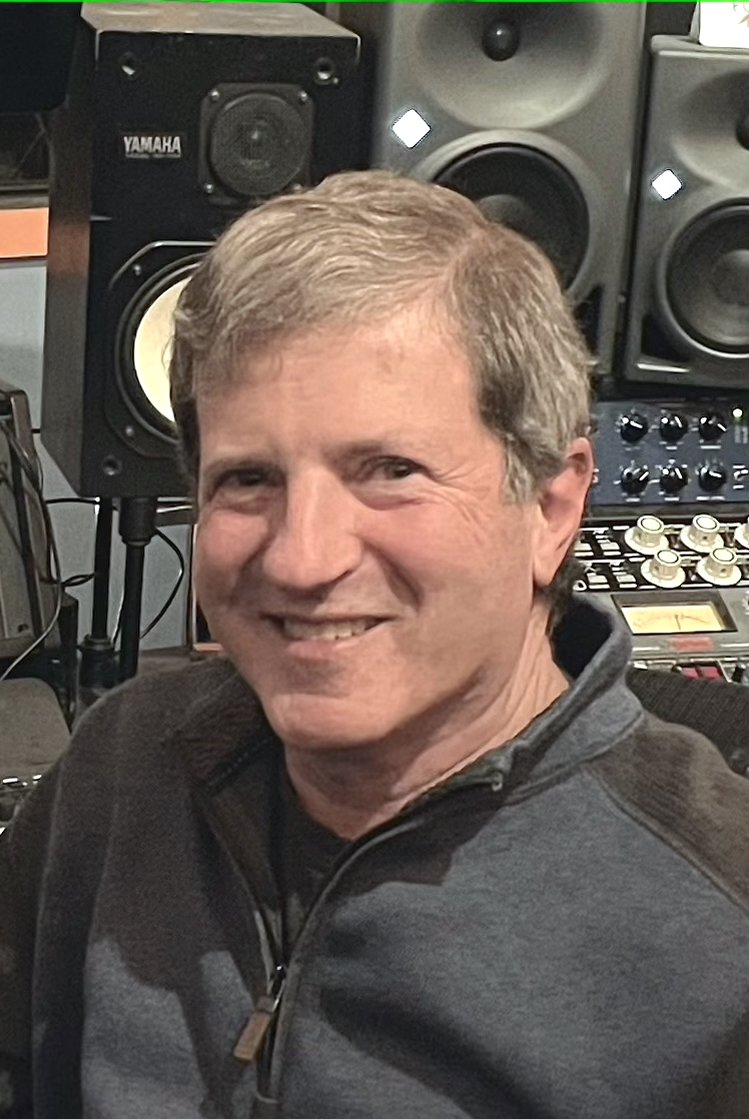
Presented by Chris Estes & Coleman Rogers
Tuesday, November 8th, 2011
7-10pm
Mad Oak Studios
28 Rugg Road Allston, MA 02134-1627
(617) 787-3218


Join us for a dual presentation: Coleman Rogers who will describe calibrating
Analog Tape Machines followed by Chris Estes who will demonstrate the CLASP
(Closed Loop Analogue Signal Processor).
The CLASP system integrates multi-track tape machines with Pro Tools, Cubase or Nuendo, giving users the editing and functionality of a DAW combined with analogue tape. The CLASP unit is a 24 I/O on D-Type connectors that plug in via a DAW. So, for example, when working with Pro Tools recording is done to tape as users ordinarily would, but it is monitored through Pro Tools with zero latency. The actual audio signal is delayed from the Record head to the Repro head and then recorded back into Pro Tools and time stamped so that it is back in sync.
All the tape control and transport control happens on the DAW via the CLASP system, which can handle up to 24 channels at a time – up to three CLASP units can be chained for 72 channels of simultaneous recording. Another advantage of the system is that a whole project can be carried out on a single reel of tape so reducing cost. CLASP even offers the ability to jump between tape speeds on-the-fly to audition and then print, even mixing speeds in the
same project, something that’s impossible in an all-analogue production.
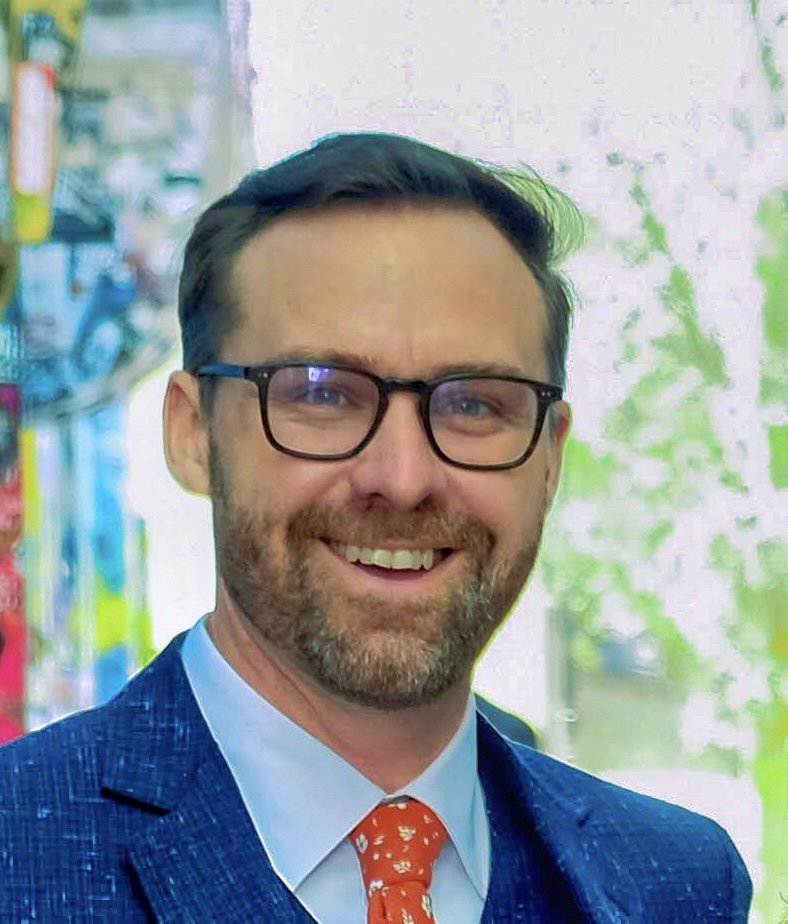
Christopher Estes is the founder of Endless Analog in Nashville, will demonstrate
the CLASP (Closed Loop Analogue Signal Processor). Estes invented the
hardware and software solution, which is aimed at artists who have a purist
analogue approach to recording and want the chance to work with tape again.
CLASP is also helping to give value back to studios that have invested in now
often dormant 24-track machines.
The system integrates multi-track tape machines with Pro Tools, Cubase or
Nuendo, giving users the editing and functionality of a DAW combined with
analogue tape. The CLASP unit is a 24 I/O on D-Type connectors that plug in via
a DAW. So, for example, when working with Pro Tools recording is done to tape
as users ordinarily would, but it is monitored through Pro Tools with zero latency.
The actual audio signal is delayed from the Record head to the Repro head and
then recorded back into Pro Tools and time stamped so that it is back in sync.
All the tape control and transport control happens on the DAW via the CLASP
system, which can handle up to 24 channels at a time – up to three CLASP units
can be chained for 72 channels of simultaneous recording. Another advantage
of the system is that a whole project can be carried out on a single reel of tape
so reducing cost. CLASP even offers the ability to jump between tape speeds
on-the-fly to audition and then print, even mixing speeds in the same project,
something that’s impossible in an all-analogue production.
–
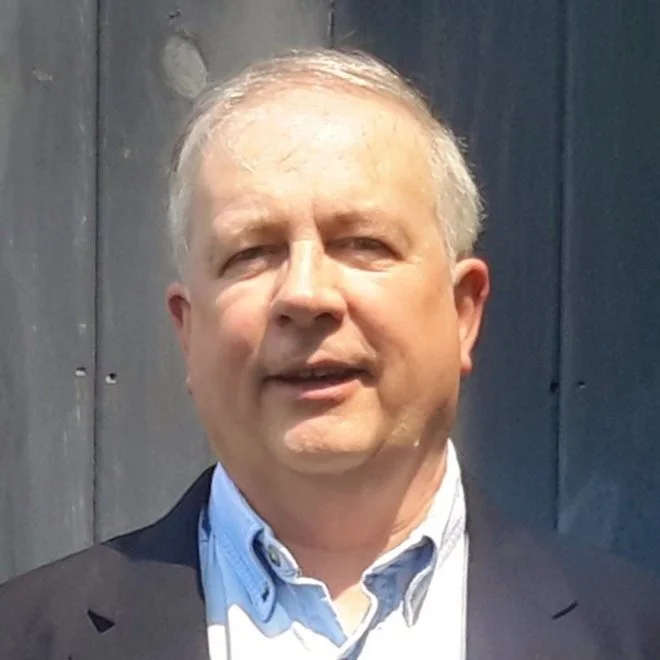
Coleman moved to the boston area in 1984 after graduating from Brown University,
working in a small 8 track studio called The Splice of Life. He worked hard as
studio manager and ran the cassette duplication business as he assisted sessions
and learned the craft of recording engineering and studio wiring. As he developed
a client base for his studio work, he also supported those clients in the clubs by
mixing sound. In 1986, he landed the Chief Engineer position at Bay Farm Sound
Studios in Kingston, MA. During these years, he learned a great deal more about
studio wiring and electronic repair, by working alongside many of the technicians
in the area. In 1990, his career split as he became a freelance recording engineer,
he began to teach music recording and production at UMASS Lowell and he also worked
as a broadcast engineer for American Radio Systems. During this time, his freelance
engineering took him from New York to Portland ME, as he worked in some if the best
studios but also developed the craft of remote recording in non-studio environments.
In 1998, he took a full time repair technician position at Alactronics, specializing
in analog tape machine repair, setup and alignment. He worked on Alesis ADAT, Tascam
DA-88 and many other types of recording equipment and processing gear. In 2002, he
took a job with Professional Audio Design, working on analog tape machines and analog
processing, while developing audio upgrades and modifications and a taste for equipment
design. In 2006, he began to work at Analog Devices Inc as an Applications Engineer in
the Digital Audio Group, while still maintaining many studios around the Boston and
New York City areas.